
Speakers
Session 1
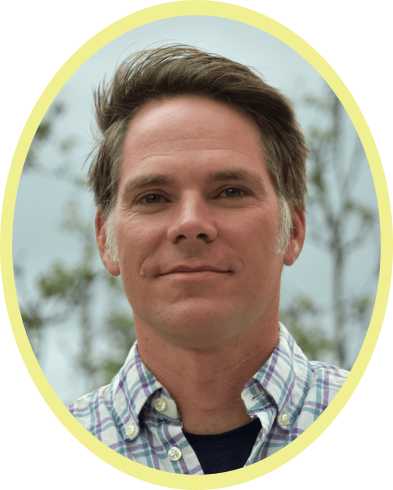
Christoph Schwörer is a Professor at the University of Bern and investigates how climate change and human activity have shaped mountain vegetation over thousands of years. Combining paleoecological approaches with analyses of ancient DNA preserved in lake sediments, he reconstructs past ecosystem dynamics. His work focuses particularly on the responses of mountain forests to rapid warming since the last Ice Age and on understanding how species composition and genetic diversity may change under future climate conditions.
Alejandra Morán Ordóñez is a Professor at the University of Basel. She is a landscape ecologist and conservation biologist whose research examines interactions between nature and society and the role of policy in shaping these relationships. Using quantitative and decision-science approaches across scales ranging from local ecosystems to continental landscapes, she studies species habitat suitability under climate and land-use change and assesses ecosystem services while accounting for human impacts. Her work supports biodiversity-inclusive spatial planning through applications such as green infrastructure design, forest restoration, and the evaluation of trade-offs between biodiversity conservation and socio-economic development.
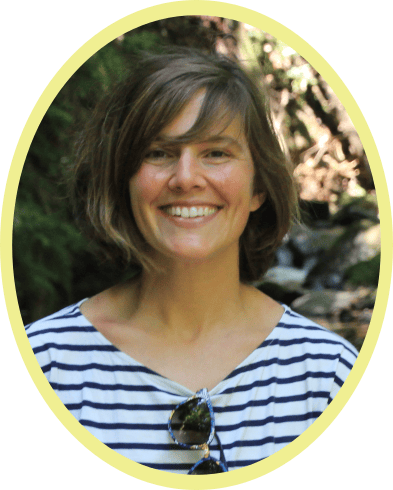
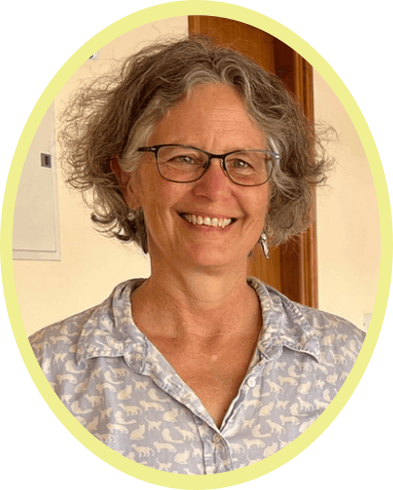
Saskya van Nouhuys is an Associate Professor at the Centre for Ecological Sciences. She is an ecologist whose research focuses on terrestrial population and community ecology, with particular interest in how species interactions and landscape structure influence population dynamics and community composition. Her work combines ecological theory, field monitoring, behavioural studies, manipulative experiments, and population genetics. Working across natural and agricultural systems as well as disturbed habitats and the interface among these, she investigates ecological processes in a wide range of taxa, particularly insect parasitoids, herbivores, and their host plants.
Session 2
Thanvi Srikant is a SNSF Ambizione Fellow at the Institute of Integrative Biology at ETH Zurich. Her research investigates plant adaptation and natural variation through the lens of epigenetics and epigenomics. During her doctoral and postdoctoral work, she investigated how MET1-dependent DNA methylation buffers and shapes transcriptional diversity in natural accessions of Arabidopsis thaliana and how chromatin accessibility and transcriptome landscapes vary during the evolution of polyploidy in Arabidopsis arenosa. Her current research examines how interactions between the genome and epigenome enable altitude adaptation in the alpine plant Arabis alpina.

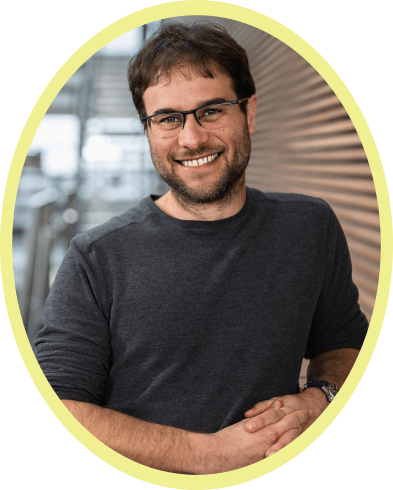
Gal Ofir is a Group Leader at the Max Planck Institute for Biology. He is a plant molecular biologist whose research focuses on the evolutionary arms race between plants and their parasites and pathogens. His group investigates genomic signatures left by these long-term interactions to identify novel components of plant immune systems and to better understand how immune-related genomic regions evolve. By combining evolutionary and genomic approaches, his research provides new insights into the mechanisms underlying plant defence and adaptation.
Meredith Schuman is an Assistant Professor at the University of Zurich, where she holds a joint affiliation between the Departments of Geography and Chemistry. Her research group explores the spatial and temporal dynamics of genetic and functional diversity and their broader impacts on ecosystem processes. By investigating the drivers of biological variation, her work seeks to clarify how these differences influence ecological resilience and provide essential services to human societies.
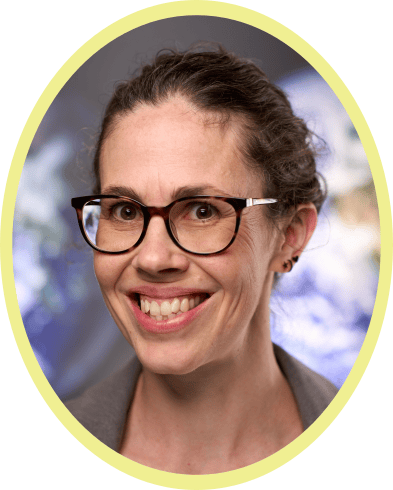
Session 3
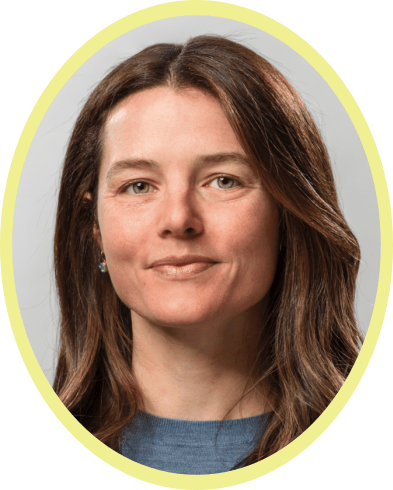
Melissa Chapman is an Assistant Professor of Environmental Policy at ETH Zurich, where she leads the Environmental Policy Lab. Her research lies at the intersection of environmental policy, ecology, and decision science, examining how data, algorithms, and governance systems influence outcomes for both people and ecosystems. She develops computational approaches that support effective, equitable, and evidence-based environmental decision-making under uncertainty.
Robert Finger is a Professor of Agricultural Economics and Policy at ETH Zurich. His research focuses on strengthening the resilience and sustainability of agricultural and food systems through the integration of agricultural science and economics. Concentrating primarily on European agriculture, he studies farm-level decision-making and its interactions with environmental, market, societal, and policy factors. His work contributes to the evaluation and design of agricultural policies, with expertise in pest management, risk management, and sustainable agricultural development.

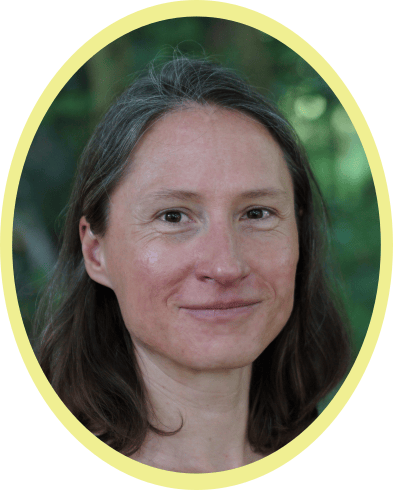
Katalin Csilléry is an evolutionary ecologist and population geneticist at the Swiss Federal Institute for Forest, Snow and Landscape Research (WSL). She is the Lead of the Evolutionary Genetics group and the ERC-funded MyGardenOfTrees project, a pan-European participatory experiment investigating local adaptation, forest regeneration, and climate-resilient seed sourcing in beech and fir. She also leads the TAMERS project, which explores stakeholder perspectives on assisted migration and adaptive forest management under climate change. Her research integrates large-scale experiments, genomics, stakeholder engagement, and policy-relevant questions to support biodiversity conservation and climate adaptation in European forests.
 PSC Symposium 2026